1. Permafrost Geology and Drilling Challenges
1.1 Permafrost Distribution in Russia
Russia contains approximately 65% of the world's permafrost coverage, with permafrost layers extending across Siberia, the Far East, and the Arctic continental shelf. This vast frozen territory hosts significant hydrocarbon deposits, including the Yamal Peninsula natural gas fields, West Siberian oil and gas province, and emerging Arctic offshore resources. Drilling operations in these regions face unique geological challenges directly related to frozen ground conditions and extreme temperature variations.
Permafrost classification in Russia includes continuous permafrost zones (90-100% coverage), discontinuous permafrost (50-90% coverage), and sporadic permafrost (less than 50% coverage). The active layer, which thaws seasonally, creates additional challenges for surface infrastructure and drilling operations. Understanding permafrost characterizations is essential for equipment selection, well design, and operational planning in Russian oil and gas development projects.
1.2 Technical Challenges Overview
Permafrost drilling presents multiple interconnected technical challenges requiring specialized solutions. Ground instability during thawing affects wellbore integrity and surface equipment foundation stability. Ice-bearing formations create competent drilling conditions but require careful management to prevent wellbore collapse during re-freezing cycles. Temperature-sensitive permafrost soils lose bearing capacity when thawed, requiring heated foundations or specialized insulation systems for drilling rigs.
The table below summarizes primary technical challenges and their operational impacts:
| Challenge Category | Technical Issue | Operational Impact | Mitigation Approach |
|---|---|---|---|
| Ground Stability | Thaw settlement, frost heave | Foundation failure, wellbore deviation | Thermal stabilization, pile foundations |
| Wellbore Integrity | Ice lens formation, casing stress | Casing collapse, cement bond failure | Thermal insulation, controlled drilling fluid temperature |
| Equipment Performance | Cold embrittlement, viscosity increase | Equipment failure, operational delays | Cold-weather rated equipment, heated enclosures |
| Logistics Access | Seasonal road conditions, ice roads | Supply chain disruption, personnel transport | Winter-only access planning, air transport |
2. Specialized Drilling Equipment for Permafrost Conditions
2.1 Rig System Requirements
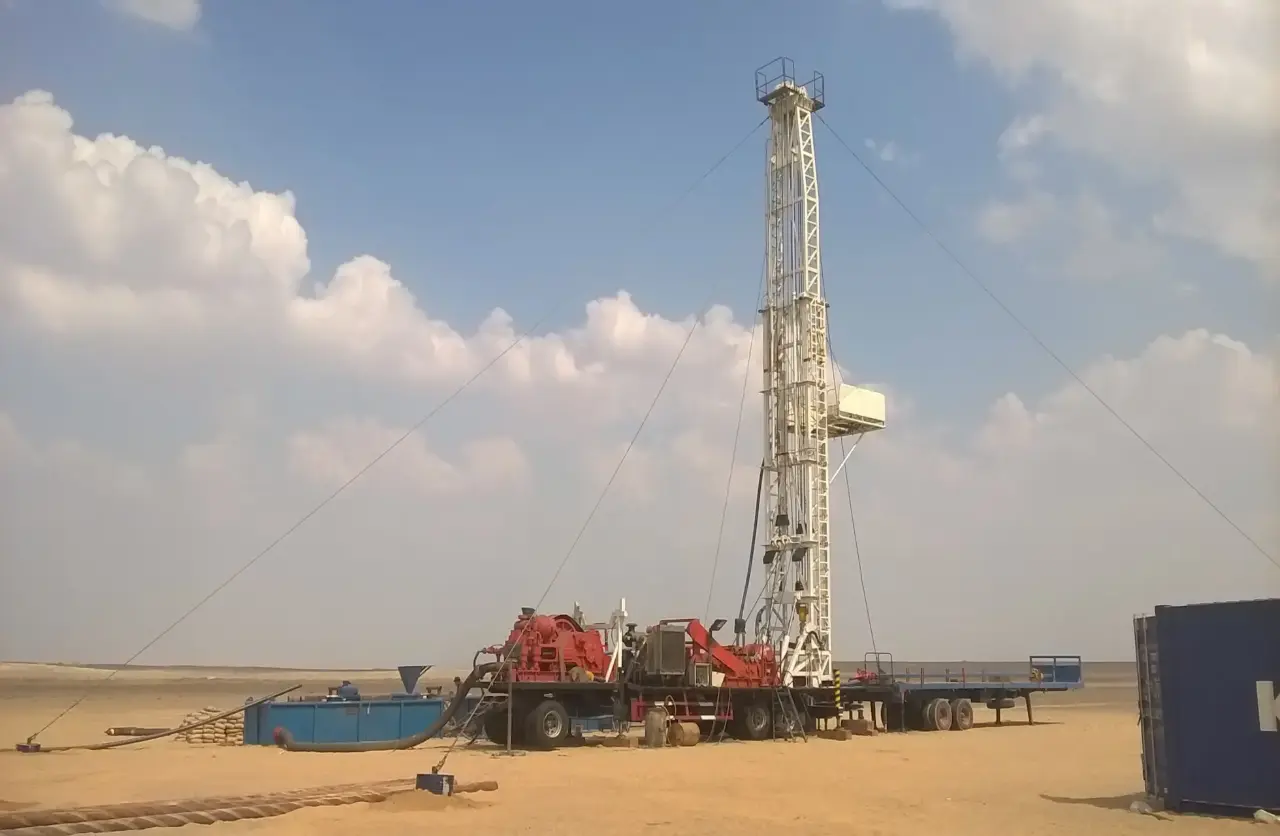
Drilling rigs operating in permafrost regions must meet stringent cold-weather specifications defined by GOST standards and Russian regulatory requirements. Equipment cold-weather ratings must accommodate temperatures down to -60°C for extreme Siberian conditions, with all hydraulic systems, pneumatic controls, and electrical components rated for continuous operation at specified minimum temperatures. Top drive systems, mud pumps, and rotary equipment require heated enclosures with backup heating systems to maintain operational readiness.
The mast and derrick structure require hot-dip galvanizing or advanced corrosion protection systems to prevent structural steel degradation in humid permafrost environments. Rig floor equipment including pipe handlers, iron roughnecks, and offline pipe stand systems must function reliably in conditions where moisture from drilling operations can freeze instantaneously on contact with sub-zero equipment surfaces. Heated pipe baskets and automatic lubrication systems prevent frozen pipe connections and equipment seizure.
2.2 Mud System Components
Drilling fluid systems in permafrost operations require careful temperature management to prevent hydrate formation and maintain rheological properties. Mud heaters with significantly increased heating capacity maintain drilling fluid temperatures above freezing point throughout the active system. Insulated flow lines with trace heating systems prevent freezing in return lines and shale shaker enclosures. Mud cooler systems must also function in heated mode during extreme cold to prevent overcooling of the active mud system.
Inhibited aqueous drilling fluids using potassium or sodium formate brines provide freeze-point depression and formation hydration control in permafrost intervals. Oil-based muds require particular attention to cold weather handling, as wax precipitation and viscosity increases can occur at temperatures below -20°C. Heated mud pits and active circulation systems maintain optimal mud properties despite extreme ambient temperature variations between summer and winter operational periods.
3. Thermal Insulation Technologies
3.1 Wellbore Thermal Management
Maintaining wellbore temperature within specified windows prevents permafrost thaw and subsequent re-freezing damage to well integrity. Surface casing strings must be cemented with freeze-resistant slurry designs incorporating accelerators and freeze-point depressants. Thermal insulation casings using vacuum-insulated tubing (VIT) or specially designed insulated liners reduce heat transfer from produced fluids to surrounding permafrost, preventing dissociated gas hydrate formation in the wellbore annulus.
Mathematical modeling of wellbore temperature profiles using software tools enables accurate prediction of thermal effects on permafrost intervals. This modeling guides cementing programs, casing design, and completion equipment selection to ensure well integrity throughout production operations. Real-time monitoring of wellhead temperatures during production provides early warning of thermal anomalies requiring intervention.
3.2 Surface Infrastructure Insulation
Drilling pad surfaces in permafrost regions require specialized foundation designs to prevent thaw settlement and maintain operational flatness. Gravel pads with geotextile separation layers provide stable working surfaces while limiting heat transfer to underlying permafrost. Insulated platform foundations using expanded polystyrene (XPS) or polyurethane foam insulation layers beneath concrete pads create thermal barriers protecting the underlying frozen ground.
Modular heated enclosures for critical equipment including mud pump drives, transformer stations, and control rooms maintain ambient temperatures suitable for electronic equipment operation. These enclosures utilize high-efficiency heating systems with redundant capacity to ensure continuous operation during equipment startup in extreme cold. Walkways and access platforms between heated structures require heated deck surfaces or insulated grating to prevent ice accumulation and ensure personnel safety.
4. Operational Protocols and Procedures
4.1 Seasonal Operations Planning
Permafrost drilling operations require carefully coordinated seasonal planning to maximize operational efficiency while minimizing environmental impact. Summer construction and pad preparation activities must be completed before ground thaw renders access impossible. Heavy equipment mobilization typically occurs during winter months when frozen ground can support heavy loads without causing rutting and environmental damage. Winter drilling seasons commonly extend from October through April in northern Siberian locations.
Operations planning must account for reduced daylight hours during winter months, with many Arctic locations experiencing extended periods of darkness. Heated accommodation modules and recreational facilities are essential for maintaining personnel morale and operational readiness. Cold weather working time limits and mandatory warm-up breaks affect drilling rates and require schedule adjustments to maintain progress targets. Emergency response planning must address increased response times for medical evacuations and equipment failures in remote locations.
4.2 Drilling Fluid Management Procedures
Drilling fluid management in permafrost environments requires specialized procedures for temperature control and winter operation. Fluid heating systems must be activated before drilling commences, with circulation rates and heater capacity calculated based on ambient temperature and drilling depth. Shale shaker houses require enclosed, heated workspaces to maintain operator comfort and equipment reliability. Mud logger sample collection systems must incorporate heated sample chambers to prevent sample freezing before analysis.
Spud mud and surface hole drilling fluids must incorporate freeze-point depressants to prevent freezing in surface flow lines and reserve pits during winter operations. Brine-based fluids using calcium chloride or sodium formate provide reliable freeze protection for surface hole sections. Gel sweeps and pill formulations require careful temperature monitoring to ensure adequate viscosity development at low temperatures. Contingency procedures for frozen mud systems include backup heating equipment and emergency circulation protocols.
5. Well Design Considerations for Permafrost
5.1 Casing Program Design
Casing programs for permafrost wells must address combined loading from in-situ stress, thermal effects, and production-induced formation changes. Surface casing setting depths are determined by permafrost thickness and anticipated thaw bulb radius around the wellbore. Conductor casing provides borehole stability through loose, water-saturated permafrost intervals. Technical casing strings isolate permafrost intervals from production fluid paths, while production casing must accommodate thermal expansion and contraction throughout the well life cycle.
Premium connections with enhanced gas seal capabilities are specified throughout permafrost intervals due to potential gas migration through micro-annulus formations created by thermal cycling. Casing centralization programs ensure cement bond quality in permafrost intervals where freeze-thaw cycles can compromise bond development. Running procedures include controlled running speeds to prevent permafrost adhesion and sticking, with wiper trips recommended after extended pauses in permafrost intervals.
5.2 Cementing Operations
Cementing operations in permafrost intervals present unique challenges related to frozen formation conditions and temperature-sensitive slurries. Cement slurries must develop adequate compressive strength at temperatures near freezing while maintaining pumpability during placement. Specialized cement additives including freeze-point depressants, accelerators, and anti-foam agents ensure reliable slurry performance in extreme conditions. Slurry design must account for both the cold initial setting temperature and subsequent heating from deeper formations as cement hydrates.
Lead and tail cement slurries are designed with different density and strength characteristics to optimize zonal isolation across varying permafrost intervals. Laboratory testing of cement slurries at simulated permafrost conditions is mandatory for quality assurance. Wiper darts and cementing plugs must function reliably at sub-zero temperatures, requiring heated storage and handling procedures. Centralizer placement through frozen intervals requires careful calculation of surge pressures to avoid lost circulation in weak permafrost formations.
6. Safety and Environmental Considerations
6.1 Cold Weather Safety Protocols
Personnel safety in permafrost drilling operations requires comprehensive cold weather protocols addressing exposure hazards, equipment operation, and emergency procedures. Personal protective equipment (PPE) specifications include multiple layering systems, insulated gloves, and protective eyewear rated for extreme cold conditions. Heated rest facilities must be accessible within defined time limits during extreme cold, with mandatory warming breaks incorporated into work schedules according to temperature-wind chill charts.
Fire prevention requires particular attention due to the combustibility of frozen ground surface organic layers and the presence of flammable gases in permafrost formations. Hot work permits and fire watch procedures apply to all spark-generating activities including welding, cutting, and grinding operations. Emergency shutdown systems must function reliably at extreme temperatures, with heated actuator enclosures and cold-rated control valves specified throughout critical safety systems.
6.2 Environmental Protection Measures
Environmental protection in permafrost regions focuses on preventing thermal contamination of frozen ground and associated ecosystem damage. Drilling fluid containment systems must prevent any spillage that could thaw permafrost and damage the sensitive tundra environment. Reserve pit lining and complete fluid recovery requirements apply to all drilling operations regardless of hole size or formation type. Produced water handling and reinjection systems prevent surface contamination of Arctic ecosystems.
Wildlife protection measures include seasonal restrictions on drilling activities in environmentally sensitive areas and migration corridors. Seismic survey operations require specialized low-impact techniques to prevent permafrost disruption. Reclamation procedures for well sites and drilling pads must restore thermal equilibrium to disturbed permafrost, often requiring multi-year monitoring and supplemental cooling systems to re-establish frozen ground conditions.
7. Equipment Maintenance in Cold Climate
7.1 Preventive Maintenance Requirements
Equipment maintenance schedules in permafrost operations require modification to address cold weather degradation and increased wear rates. Hydraulic systems demand particular attention due to cold-induced seal hardening and viscosity-related wear. Heated maintenance shops with tool storage facilities enable maintenance activities during extreme cold periods without risking tool freeze or component damage. Preventive maintenance intervals for rotating equipment, mud pumps, and top drives typically require reduction to account for cold-start stress and thermal cycling fatigue.
Lubrication systems require specialized cold-weather greases and oils rated for minimum operation temperatures. Grease and oil heating systems ensure lubricant maintains proper consistency before application to equipment surfaces.Equipment storage procedures mandate heated indoor facilities or insulated covers for stored equipment to prevent condensation freeze and component degradation. Battery maintenance and testing becomes critical in cold climates where battery capacity can degrade by 50% or more at extreme temperatures.
7.2 Troubleshooting Common Issues
Common equipment issues in permafrost drilling include hydraulic system failures from cold-induced seal leakage, electrical system malfunctions from condensation freeze in connection points, and pneumatic control failures from frozen moisture in air lines. Preventive troubleshooting procedures include regular inspection of seal conditions, application of moisture-displacing lubricants to electrical connections, and heated air receiver maintenance to prevent line freeze-ups.
Mud pump troubleshooting in cold conditions frequently addresses viscosity-related performance issues and seal failures. Heated chemical storage and automated chemical injection systems prevent additive freeze-up and ensure proper treatment rates. Shale shaker screen maintenance requires heated screen storage to prevent screen brittleness and premature failure. BOP testing procedures must account for cold-weather test fluid requirements and heated test equipment operation.
8. Case Studies and Best Practices
8.1 Yamal Peninsula Operations
The Yamal Peninsula represents the most significant recent development in Russian permafrost drilling, with major gas fields including Bovanenkovo, Urengoy, and Yamal LNG feedstock supply requiring hundreds of development wells. Drilling operations in this region demonstrate successful integration of specialized permafrost drilling equipment, seasonal planning, and environmental protection measures. Chinese drilling equipment manufacturers have supplied land drilling rigs and auxiliary equipment for Yamal development projects under technology partnership agreements with Russian contractors.
Best practices documented from Yamal operations include mandatory thermal insulation requirements for all wellsite equipment foundations, controlled drilling fluid temperatures throughout permafrost intervals, and comprehensive personnel cold-weather training programs. Technology developments including automated winterization systems and remote monitoring capabilities have emerged from Yamal operational experience, providing reference standards for future permafrost drilling projects.
8.2 Recommendations for Equipment Selection
Equipment selection for permafrost drilling operations should prioritize cold-weather ratings, maintenance accessibility, and local service support availability. Chinese equipment manufacturers offering permafrost-rated drilling packages should emphasize API and GOST certification compliance, redundant heating systems, and cold-weather performance testing documentation. Spare parts inventories must account for longer supply lead times to remote locations, with critical spares stocked at wellsite and field warehouses.
Operator training programs should incorporate permafrost-specific modules covering thermal management, cold-weather procedures, and emergency response protocols. Chinese equipment suppliers serving the Russian market benefit from establishing service partnerships with Russian drilling contractors and maintaining Russian-speaking technical support personnel. Digital remote monitoring capabilities enable real-time equipment performance tracking and proactive maintenance scheduling, reducing unplanned downtime in remote permafrost operations.