1. Belt and Road Initiative Overview
The Belt and Road Initiative (BRI), proposed by China in 2013, encompasses the Silk Road Economic Belt and the 21st Century Maritime Silk Road, spanning over 140 countries and international organizations. Energy cooperation constitutes a cornerstone of BRI, with Central Asia serving as a critical energy transition zone connecting Chinese energy demand with abundant regional resources. The initiative encompasses energy infrastructure development, trade facilitation, and industrial coordination across Central Asian nations including Kazakhstan, Uzbekistan, Turkmenistan, Kyrgyzstan, and Tajikistan. This comprehensive guide examines energy cooperation opportunities, project frameworks, and strategic considerations for market participants.
2. Central Asia Energy Resource Landscape
Central Asia possesses substantial proven energy reserves with significant development potential. Turkmenistan holds the world's fourth-largest natural gas reserves, primarily located in the Galkynysh and Yoloten fields, with major export potential through the Central Asia-China gas pipeline. Kazakhstan maintains extensive oil reserves in the Tengiz and Kashagan fields, serving as a key transit corridor for Caspian Basin oil exports. Uzbekistan possesses significant natural gas production and exports, alongside substantial uranium mining operations. The region's renewable energy potential—particularly wind and solar in Kazakhstan and Kyrgyzstan's hydroelectric resources—remains substantially underdeveloped.
3. China-Central Asia Energy Infrastructure
Cross-border energy infrastructure forms the physical foundation for regional cooperation. The Central Asia-China Gas Pipeline, operational since 2009, delivers Turkmenistan gas through Uzbekistan and Kazakhstan to China's western regions, with expanded capacity from the Line D extension. Oil export infrastructure includes the Atyrau-Kenkiyak pipeline system and the newer Kazakhstan-China oil pipeline linking Caspian production to Chinese refineries. Power transmission interconnections enable electricity trade, with 500kV transmission links between southern Kazakhstan and Xinjiang supporting both commercial exchange and grid stability.
4. Cooperation Models and Investment Frameworks
Energy cooperation under BRI employs diverse investment and operational models tailored to project characteristics and stakeholder requirements. Build-Own-Operate (BOO) arrangements enable investor-led project development with long-term market access. Joint ventures between Chinese and host-country enterprises leverage local knowledge and relationship networks while maintaining Chinese technology and capital advantages. Engineering, Procurement, and Construction (EPC) contracts provide turnkey project delivery with fixed-price, fixed-schedule performance guarantees. Production Sharing Agreements (PSA) govern resource development projects with defined cost recovery and profit allocation mechanisms.
5. Oil and Gas Sector Opportunities
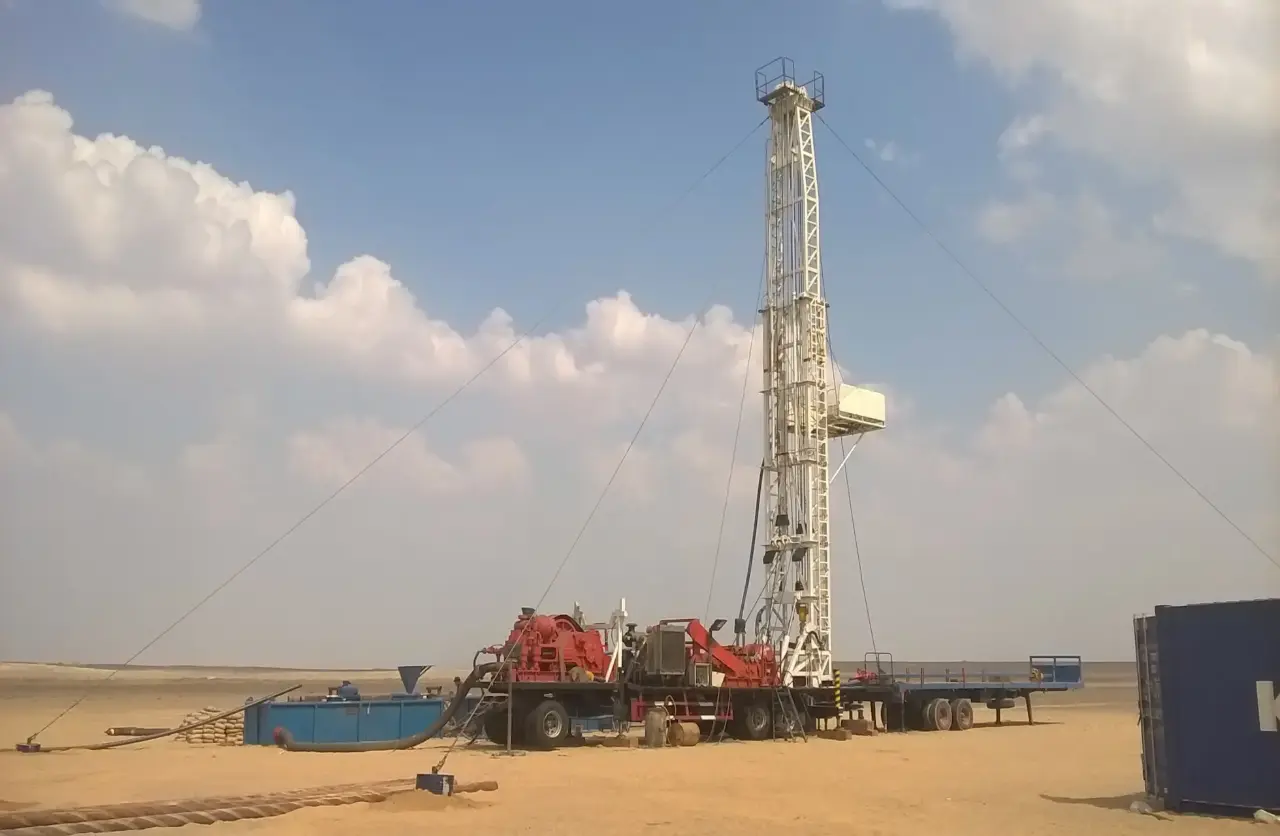
The oil and gas sector presents substantial opportunities across the value chain. Upstream exploration and production investment opportunities exist in mature fields requiring enhanced recovery techniques and exploration blocks with remaining potential. Midstream infrastructure development, including pipeline expansion, storage facilities and LNG terminals, offers stable, regulated returns characteristic of transmission and storage assets. Downstream refining and petrochemicals development in Kazakhstan and Uzbekistan addresses regional product demand while serving export markets. Chinese drilling equipment and oilfield services companies have established strong positions across Central Asian operations.
6. Power Sector Development
Power sector cooperation encompasses generation, transmission, and distribution development across Central Asia. Coal-fired power generation projects utilizing indigenous Kazakh coal address electricity demand growth with baseload capacity. Hydroelectric development in Kyrgyzstan and Tajikistan offers dispatchable renewable generation, though ice melt-dependent seasonal flow patterns create operational considerations. Solar and wind projects increasingly attract investment as equipment costs decline and offtake structures mature. Grid interconnections between Central Asian states and toward China enable electricity trade and renewable integration support.
7. Mining and Minerals Cooperation
Mining sector cooperation extends beyond energy resources to encompass metallurgical and industrial minerals essential for regional development. Copper and gold mining in Kazakhstan and Uzbekistan attracts Chinese investment in mine development and expansion. Rare earth and specialty metal projects address strategic material supply chain considerations. Coal mining cooperation includes both thermal coal for power generation and coking coal for steel production. Equipment and technology transfer arrangements enable Chinese mining equipment manufacturers to establish regional presence while supporting host-country industrial development.
8. Financing and Risk Management
Successful project development requires sophisticated financing structures and risk management approaches. Export credit financing from Chinese policy and commercial banks provides competitive capital for approved projects, often linked to Chinese equipment procurement and contractor engagement. Multilateral development bank participation, including from Asian Development Bank and World Bank Group affiliates, provides additional financing sources with enhanced environmental and social standards compliance. Political risk insurance from providers including MIGA and Chinese overseas investment insurance covers sovereign and regulatory risk exposures. Currency risk management through hedging instruments and local currency utilization reduces financial volatility.
9. Regulatory and Compliance Considerations
Cross-border energy projects must navigate complex regulatory requirements across multiple jurisdictions. Host-country investment laws establish foreign ownership permissions, approval processes, and sector-specific requirements. Environmental and social impact assessment processes vary substantially in scope, timeline, and procedural requirements across Central Asian jurisdictions. Local content requirements increasingly mandate domestic procurement, employment, and technology transfer provisions. International sanctions considerations require careful due diligence, particularly regarding Russian counterparty exposure and secondary sanctions implications.
10. Strategic Recommendations
Market participants considering Central Asian energy cooperation should approach opportunities with thorough preparation and realistic expectations. Relationship development with host-government entities and state-owned enterprises forms essential foundation for project access. Local partnership selection significantly impacts project execution effectiveness and ongoing operational success. Long-term commitment expectations differ from Western markets—Central Asian partners value sustained engagement over transactional approaches. Reputation and track record in comparable markets strengthens competitive positioning for future opportunities. SHUZHIHUI Energy maintains regional partnerships supporting equipment supply and project coordination for Central Asian energy sector participants.
SHUZHIHUI Energy is committed to supporting Belt and Road energy cooperation with quality equipment and reliable partnership services.