1. Drilling Safety Fundamentals
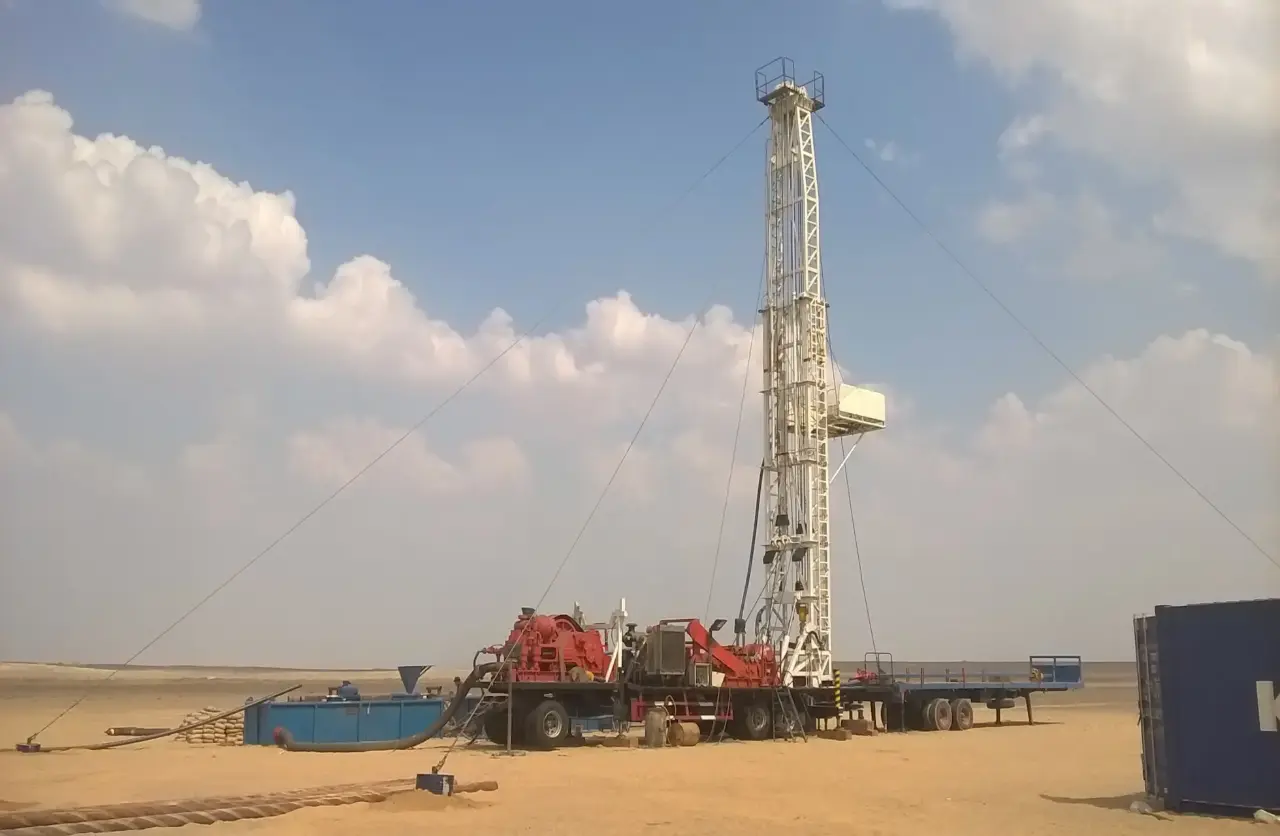
Drilling operations involve numerous hazards including high-pressure fluids, rotating equipment, heavy loads, and complex chemical systems. Safety incidents can result in personnel injury, environmental damage, equipment loss, and project delays with potentially catastrophic financial consequences. Effective safety management requires integrated approach combining hazard identification, risk assessment, procedural controls, emergency preparedness, and continuous improvement. This guide provides comprehensive framework for drilling safety management, emphasizing prevention as the primary objective while preparing personnel for effective emergency response when prevention measures prove insufficient.
2. Well Control Principles and Practices
Well control represents the most critical safety function during drilling operations, preventing uncontrolled release of formation fluids. Primary well control maintains bottomhole pressure exceeding formation pressure through mud column hydrostatic pressure. Secondary well control through BOP stack provides mechanical barrier preventing flow if primary control fails. Tertiary well control through well capping and containment systems provides final barrier if secondary control fails. Constant well monitoring through flow checks, pit volume tracking, and pressure monitoring enables early detection of well control incidents before escalation.
3. Blowout Prevention Equipment
Blowout preventer (BOP) equipment provides mechanical means for containing wellbore flow during control operations. Annular BOPs provide sealing around drill string or casing through hydraulic pressure-activated elastomer sealing elements. Pipe ram BOPs seal around drill pipe or casing to prevent flow through annular space. Blind rams provide complete wellbore closure when no pipe is present in the well. Shear rams can cut through drill string to provide complete closure. BOP stack configuration depends on well conditions, regulatory requirements, and company policy.
4. Kick Detection and Response
Early kick detection enables response while wellbore conditions remain manageable, preventing blowout escalation. Flow monitoring comparing influx rates against pump-out rates provides primary kick indicator. Pit volume gain indicating increasing wellbore volume suggests influx accumulation. Weight indicator anomaly showing apparent underbalance suggests formation fluid entry. Gas detection monitoring drilling returns for formation gas provides early warning of gas-bearing formations. Response procedures include shut-in, crew notification, and assessment before carefully controlled kill operations.
5. Stuck Pipe Prevention and Handling
Stuck pipe incidents cause significant non-productive time and present challenging fishing operations. Differential sticking occurs when overbalanced mud pressure forces pipe against filter cake in permeable formations. Mechanical sticking results from key seating in wellbore irregularities or debris accumulation. Prevention measures include proper mud weight management, filter cake quality control, and trip procedures maintaining hole stability. Handling techniques include jarring operations, spotting fluid application, and mechanical manipulation within safe operating envelopes.
6. Lost Circulation Management
Lost circulation occurs when drilling fluid enters formations rather than returning to surface, creating risk of wellbore stability loss and kick potential. Partial lost circulation reduces mud return efficiency and increases costs through increased mud consumption. Complete lost circulation prevents cuttings transport and may indicate connection to vugular or fractured formations. Prevention materials including granular, flake, and fiber additives bridge formation pores to prevent fluid loss. Remediation techniques include lost circulation material (LCM) pills, cement plugs, and specialized plugging materials.
7. Wellbore Stability and Geomechanics
Wellbore instability manifests through hole enlargement, cavings accumulation, and difficult trips, causing stuck pipe and other incidents. Chemical instability occurs when drilling fluids react with clay-bearing formations causing swelling or dispersion. Mechanical instability results from stress concentrations around the wellbore exceeding rock strength. Pre-well assessment through offset well analysis and geomechanical modeling identifies potential instability intervals. Mitigation strategies include mud weight optimization, chemical inhibition, and well trajectory design to avoid high-stress orientations.
8. HSE Management Systems
Comprehensive HSE management provides systematic framework for safety performance improvement. Risk assessment methodologies including HAZID, HAZOP, and JSA identify hazards and evaluate risks for operational planning. PTW (Permit to Work) systems control high-risk activities through formal authorization and verification procedures. Incident reporting and investigation processes capture safety observations and incidents for root cause analysis and corrective action. Safety meeting programs including pre-tour, pre-job, and post-job briefings maintain safety awareness throughout operations.
9. Emergency Response Planning
Emergency response planning prepares organizations for effective response when incidents occur despite prevention measures. Emergency response plans identify potential scenarios, response procedures, roles and responsibilities, and communication protocols. Emergency equipment including firefighting systems, spill containment, and medical facilities must be maintained in operational condition. Drills and exercises verify plan effectiveness and train personnel in emergency response procedures. Mutual aid agreements with nearby operators enable resource sharing during emergencies requiring capabilities beyond single-company resources.
10. Human Factors and Safety Culture
Human factors significantly influence safety performance, with most incidents involving human error as contributing factor. Fatigue management through shift scheduling and rest requirements addresses one of the most significant human performance limitations. Competency assurance through training, assessment, and certification verifies personnel capability for assigned responsibilities. Safety culture encompassing organizational values, beliefs, and behaviors significantly influences safety performance at all levels. Stop work authority empowering any worker to halt operations when safety concerns arise represents essential safety cultural element.
SHUZHIHUI Energy is committed to drilling safety through quality equipment, comprehensive training support, and ongoing technical consultation for customers.