1. Intelligent Drilling Control Systems
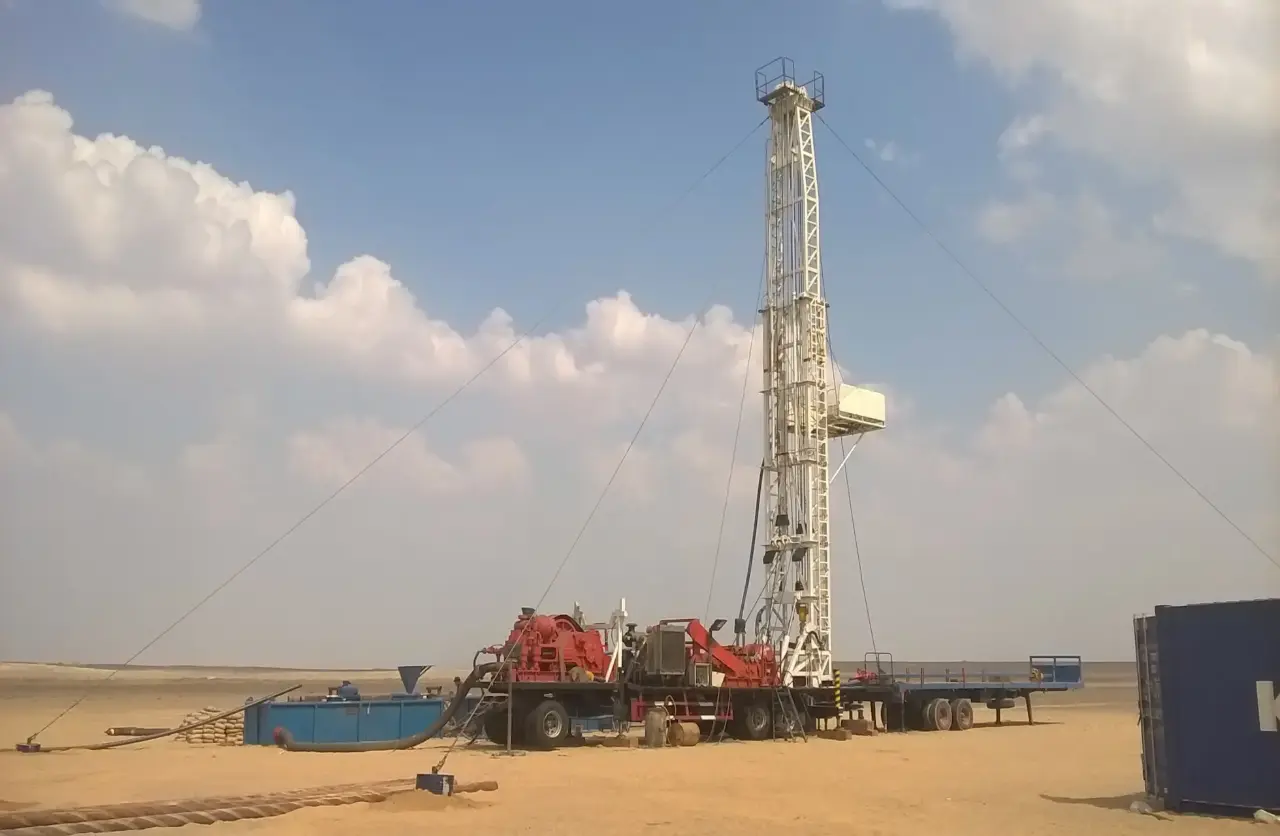
The future of core drilling technology lies in intelligent control systems that integrate real-time data analytics with automated decision-making capabilities. Modern intelligent drilling systems utilize advanced algorithms to process geological data in real-time, adjusting drilling parameters such as rotation speed, feed rate, and mud flow automatically based on formation characteristics. These systems incorporate machine learning techniques that continuously improve performance by analyzing historical drilling data from similar geological conditions. The integration of downhole sensors with surface control systems enables precise monitoring of drilling dynamics, allowing operators to optimize efficiency while preventing equipment damage. Intelligent control systems also enable predictive functionality, identifying potential problems before they occur through pattern recognition and anomaly detection algorithms.
2. Automated Drilling Operations
Automation has become a cornerstone of modern drilling operations, significantly reducing human error and improving operational efficiency. Automated drilling systems can execute complex drilling sequences without human intervention, from pipe handling and connection to tripping operations and well control. Fully automated rigs utilize robotic arms for pipe tripping, automated tongs for make-up and break-out operations, and automated iron roughnecks for comprehensive pipe handling functions. These systems operate under closed-loop control, maintaining optimal drilling parameters continuously without operator fatigue. The implementation of automation has demonstrated measurable improvements in safety records, with reduced incidents related to human error and improved consistency in drilling operations across multiple wells and crews.
3. Digital Twin Technology
Digital twin technology represents a paradigm shift in drilling simulation and optimization, creating virtual replicas of physical drilling systems that update in real-time. These digital representations integrate data from numerous sensors throughout the drilling system, providing a comprehensive view of operational status and performance. Engineers can use digital twins to simulate drilling scenarios, test parameter adjustments, and predict outcomes before implementing changes on the actual rig. This technology enables remote expert support, allowing specialists anywhere in the world to analyze drilling operations and provide recommendations in real-time. Digital twins also serve as valuable training tools, enabling drillers to experience and respond to various scenarios in a safe, simulated environment before encountering them in actual drilling operations.
4. High-Precision Navigation and Positioning
Advanced navigation technologies have revolutionized directional drilling capabilities, enabling precise well placement in complex geological structures. Modern measurement-while-drilling (MWD) and logging-while-drilling (LWD) systems provide real-time data on borehole trajectory, formation properties, and environmental conditions. Inertial navigation systems combined with gyroscopic sensors deliver highly accurate well positioning, essential for complex multilateral wells and geosteering applications. Electromagnetic telemetry systems enable reliable data transmission from downhole to surface even in challenging environments where conventional mud pulse systems may be limited. The integration of these technologies with automated steering systems enables continuous adjustment of drill bit direction based on real-time geological feedback, maximizing reservoir contact and production potential.
5. Robotics and Autonomous Systems
Robotics technology continues to advance drilling operations, from automated pipe handling to autonomous inspection and maintenance systems. Automated guided vehicles (AGVs) handle material transport on rig sites, reducing manual labor requirements and improving logistics efficiency. Inspection robots equipped with cameras and sensors can perform internal pipeline inspections, detecting corrosion, blockages, or mechanical damage without human entry into confined spaces. Autonomous drilling units can operate in hazardous environments, performing drilling and intervention operations while maintaining safe distances from human workers. The development of underwater remotely operated vehicles (ROVs) and autonomous underwater vehicles (AUVs) has extended robotic capabilities to subsea drilling operations, enabling complex subsea well interventions without requiring divers or complex intervention vessels.
6. Green and Low-Carbon Technologies
Environmental sustainability has become a critical consideration in drilling technology development, driving innovation in low-carbon and eco-friendly solutions. Electric drilling rigs powered by renewable energy sources or grid electricity significantly reduce carbon emissions compared to traditional diesel-powered equipment. Advanced mud systems utilize biodegradable additives and closed-loop circulation to minimize environmental impact and reduce waste disposal costs. Heat recovery systems capture waste heat from drilling operations for beneficial reuse, improving overall energy efficiency. Water management technologies enable effective treatment and recycling of drilling fluids, reducing fresh water consumption. The industry is also exploring hybrid power systems combining battery storage with conventional generators to optimize fuel consumption and reduce emissions.
7. Big Data and Predictive Maintenance
Big data analytics has transformed equipment maintenance strategies from reactive approaches to predictive models that maximize uptime and reduce unexpected failures. Continuous collection and analysis of equipment operating parameters enables identification of degradation patterns before they lead to failures. Vibration analysis, temperature monitoring, and wear particle detection systems provide early warnings of developing problems in rotating equipment, mud pumps, and mechanical systems. Cloud-based analytics platforms process vast amounts of sensor data, applying machine learning algorithms to establish normal operating baselines and detect anomalies. Predictive maintenance scheduling optimizes component replacement timing, balancing the cost of premature replacement against the risk of unexpected downtime. This data-driven approach has demonstrated significant cost savings while improving safety by eliminating many catastrophic equipment failures.
8. Remote Operation and Monitoring
Remote operation centers now enable drilling operations to be monitored and controlled from locations far removed from the actual rig site. High-speed satellite communications and low-latency data networks allow real-time transmission of video, audio, and control signals between the rig and remote operations centers. Drilling advisors and experts can provide guidance to on-site crews without traveling to the location, reducing costs and improving response time for complex problem-solving. Remote monitoring systems provide comprehensive dashboards displaying key performance indicators, enabling management to track operations across multiple rigs simultaneously. This capability proved particularly valuable during the COVID-19 pandemic, enabling continued operations while minimizing on-site personnel. The advancement of 5G and low-earth-orbit satellite networks promises to further enhance remote operation capabilities with improved bandwidth and reduced latency.
9. Advanced Sensor Technologies
Sensor technology continues to evolve, providing increasingly detailed information about drilling conditions and formation properties. High-definition formation evaluation tools provide detailed geological data in real-time, enabling precise formation characterization without requiring separate logging runs. Advanced mud logging sensors detect gas entries, Formation pressure tests, and lithological changes with improved accuracy and resolution. Fiber optic distributed temperature sensing (DTS) and distributed acoustic sensing (DAS) systems provide continuous monitoring along the entire wellbore, enabling detection of fluid entries, casing integrity issues, and stimulation operations. Nano-sensors under development promise to provide molecular-level analysis of formation fluids and rock properties. These advanced sensing capabilities enable better decision-making throughout the drilling process, from geosteering to formation evaluation to well completion planning.
10. Integration and Future Outlook
The future of core drilling technology lies in the seamless integration of these advancing technologies into cohesive, intelligent drilling systems. The convergence of automation, artificial intelligence, advanced sensors, and high-speed communications enables drilling operations that are safer, more efficient, and more environmentally responsible than ever before. Fully autonomous drilling operations from spud to TD are becoming increasingly feasible as component technologies mature and integration challenges are addressed. The industry is moving toward digital ecosystems where rigs, service companies, and operators share data seamlessly, enabling continuous optimization across the entire drilling value chain. As these technologies continue to develop and mature, the potential for further improvements in drilling efficiency, safety, and environmental performance remains substantial, promising a new era of intelligent, automated drilling operations that will reshape the industry landscape.