1. Introduction to Core Drilling Machines
Core drilling machines are specialized drilling equipment designed to extract cylindrical rock samples from subsurface formations for geological analysis and mineral exploration. Unlike conventional rotary drilling that produces cuttings, core drilling retrieves intact rock samples that preserve geological information including strata boundaries, mineralizations, textures, and structural features. These machines are essential tools in mining exploration, geotechnical investigation, groundwater assessment, and construction material testing. The core samples obtained provide reliable data for analyzing formation properties, estimating resource quantities, and making informed decisions about project viability and development approaches.
2. Classification by Drilling Depth Capacity
Core drilling machines are categorized based on their maximum drilling depth capabilities, ranging from shallow exploration units to ultra-deep exploration systems. Shallow depth rigs typically handle drilling operations up to 300-500 meters, suitable for preliminary reconnaissance surveys and near-surface geological investigations. Medium-depth systems operate effectively in the 500-1500 meter range, commonly used for mining exploration and moderate-depth mineral assessment. Deep exploration rigs extend to 1500-3000 meters, enabling investigation of deeper geological formations and identification of deep-seated mineral deposits. Ultra-deep core drilling machines exceeding 3000 meters represent the cutting edge of drilling technology, used primarily for deep crustal studies, geothermal exploration, and major mining projects requiring comprehensive vertical sampling of geological sequences.
3. Classification by Mobility and Configuration
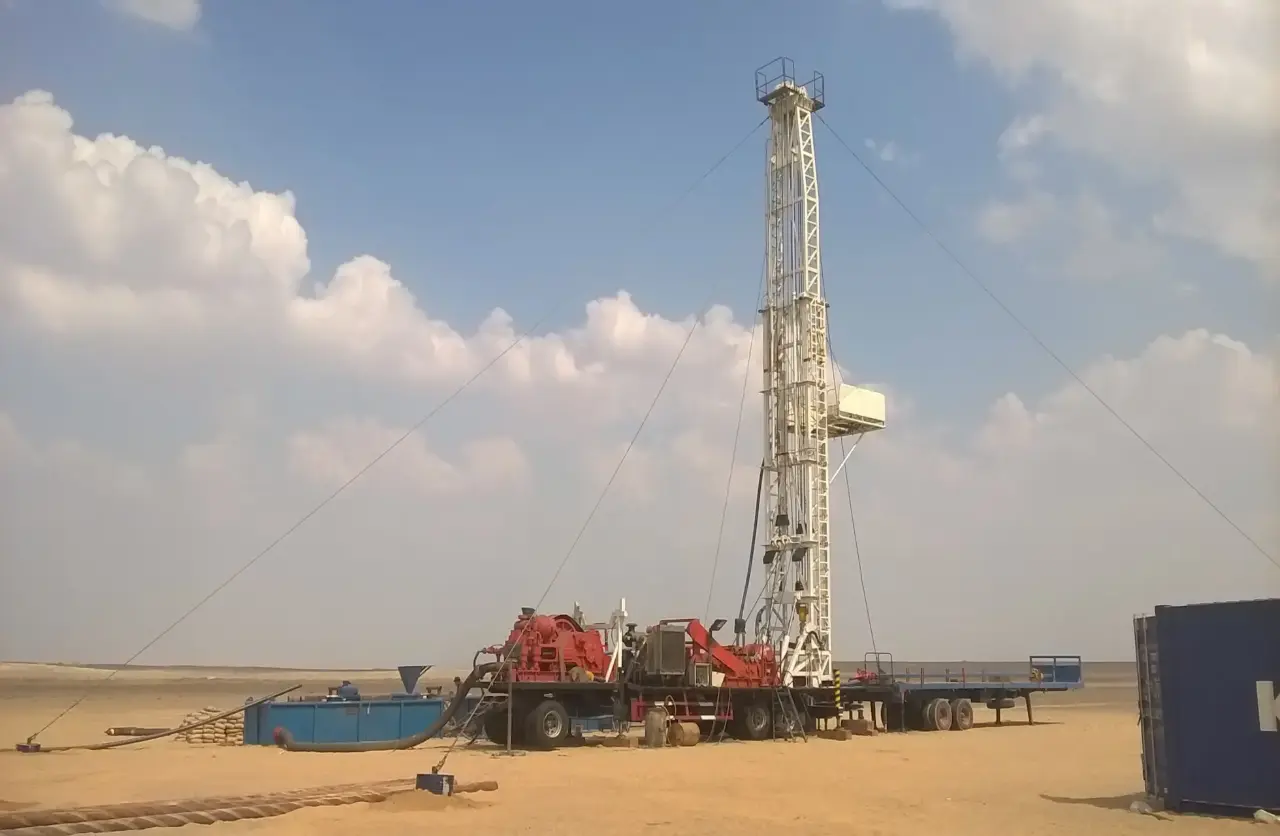
Core drilling equipment comes in various configurations designed for different operational environments and accessibility conditions. Truck-mounted drilling rigs offer high mobility and rapid deployment capabilities, ideal for exploration programs requiring movement between multiple borehole locations across challenging terrain. Trailer-mounted units provide good mobility while offering stable operation platforms with simplified setup procedures. Skid-mounted rigs offer excellent stability for operations requiring precise vertical alignment and heavy workloads. Helicopter-portable units are designed for remote locations inaccessible by road, featuring modular construction that allows air transport of individual components. Floating drilling platforms extend core drilling capabilities to lakes, rivers, and marine environments for offshore geological investigations and marine mineral exploration.
4. Core Drilling Methods and Technologies
Multiple drilling methods are employed in core drilling operations, each suited to specific geological conditions and recovery requirements. Diamond core drilling utilizes rotary cutting with diamond-impregnated bits to achieve high-quality core recovery in hard rock formations, maintaining sample integrity even in fractured or altered zones. Tungsten carbide drilling offers an economical option for softer formations and overburden drilling where extreme core quality is less critical. Reverse circulation drilling combinesauger action with sample extraction through an inner tube, providing faster drilling in unconsolidated materials. Wireline core retrieval systems enable efficient extraction of core samples from deep boreholes without removing the entire drill string, significantly reducing operational time and costs for deep exploration programs.
5. Key Technical Parameters and Specifications
Understanding technical specifications is essential for selecting appropriate core drilling equipment for specific project requirements. Drilling capacity defines the maximum hole depth and diameter achievable, with standard core sizes ranging from HQ (96mm) through NQ (75mm) to BQ (60mm) and smaller PQ (122mm) sizes for specialized applications. Rotary speed and torque characteristics determine drilling performance across different formation types, with modern rigs offering variable speed control and high torque output for challenging conditions. Pullback capacity indicates the maximum lifting force available for stuck tool recovery and core barrel retrieval, critical for deep drilling operations. Hydraulic system pressure and flow rates govern the operation of downstream equipment including hydraulic motors, cylinders, and auxiliary systems.
6. Core Barrel Types and Selection Criteria
Core barrels are critical components that directly influence core quality, recovery rates, and drilling efficiency. Single-tube core barrels provide the simplest configuration with straightforward operation, suitable for uncomplicated drilling conditions where optimal core recovery is not critical. Double-tube core barrels feature an inner tube that isolates the core from drilling fluid contact, significantly improving sample quality and preserving formation moisture content. Triple-tube core barrels add an additional inner tube split longitudinally, enabling careful core ejection without disturbance, ideal for sensitive geological materials and specialized research applications. Wireline core barrels integrate with wireline retrieval systems, allowing rapid core extraction from deep holes while maintaining the drill string in place for continuous drilling operations.
7. Drill Bit Types and Applications
Drill bits represent the cutting interface between the drilling system and geological formation, with various designs optimized for specific conditions and objectives. Surface-set diamond bits feature individual diamonds mounted on the bit face, effective for drilling medium-hard formations with consistent characteristics. Impregnated diamond bits have diamond particles distributed throughout the matrix material, providing continuous cutting ability as the matrix wears away to expose fresh diamond particles. Polycrystalline diamond compact (PDC) bits utilize synthetic diamond tablets for aggressive cutting in soft to medium formations, offering fast drilling rates and extended service life. Tungsten carbide insert bits provide reliable performance in abrasive formations where diamond bits may experience excessive wear, offering cost-effective drilling in specific geological settings.
8. Auxiliary Equipment and Support Systems
Comprehensive core drilling operations require various auxiliary equipment and support systems beyond the primary drilling rig. Mud circulation systems pump drilling fluid through the drill string to cool the bit, transport cuttings to surface, and maintain borehole stability in challenging formations. Water well pumps provide reliable fluid supply for mud systems and satisfy campsite requirements during remote operations. Generators and power distribution systems supply electrical power to the rig and support equipment, with backup systems ensuring continuity during primary power failures. Core logging equipment enables systematic documentation and analysis of recovered samples, including photography stations, sampling tools, and storage facilities. Geographic positioning systems and survey instruments ensure accurate borehole location and deviation measurement for proper spatial documentation of exploration results.
9. Selection Criteria and Best Practices
Appropriate equipment selection requires careful evaluation of multiple factors including geological conditions, project scope, environmental constraints, and budget limitations. Formation hardness and abrasiveness directly influence bit selection and drilling parameters, requiring accurate geological forecasting for optimal equipment specification. Access conditions and logistics constraints determine whether truck-mounted, portable, or specialized transport configurations are most appropriate for specific project locations. Core recovery requirements vary by exploration objective, with mining exploration typically demanding higher recovery rates than preliminary reconnaissance surveys. Environmental regulations may restrict drilling fluid options and mandate specific waste management procedures, influencing system selection for projects in sensitive ecological areas. Professional drilling companies conduct thorough pre-project planning including geological reviews, logistics assessments, and risk evaluations to ensure appropriate equipment matching.
10. Safety Considerations and Operational Standards
Safe core drilling operations require adherence to comprehensive safety protocols and industry standards governing equipment operation, personnel training, and environmental protection. Personal protective equipment includes hard hats, safety glasses, hearing protection, steel-toed boots, and high-visibility clothing appropriate for the specific operational environment. Regular equipment inspection and maintenance procedures identify potential mechanical issues before they result in safety incidents or operational delays. Hazard assessments for each drilling location address site-specific risks including unstable ground conditions, overhead hazards, proximity to utilities, and environmental factors. Emergency response procedures ensure rapid, coordinated action in case of equipment failure, injury, or environmental release. Industry standards from organizations such as IADC and regional drilling associations provide comprehensive frameworks for safe, responsible drilling operations across diverse applications and environments.